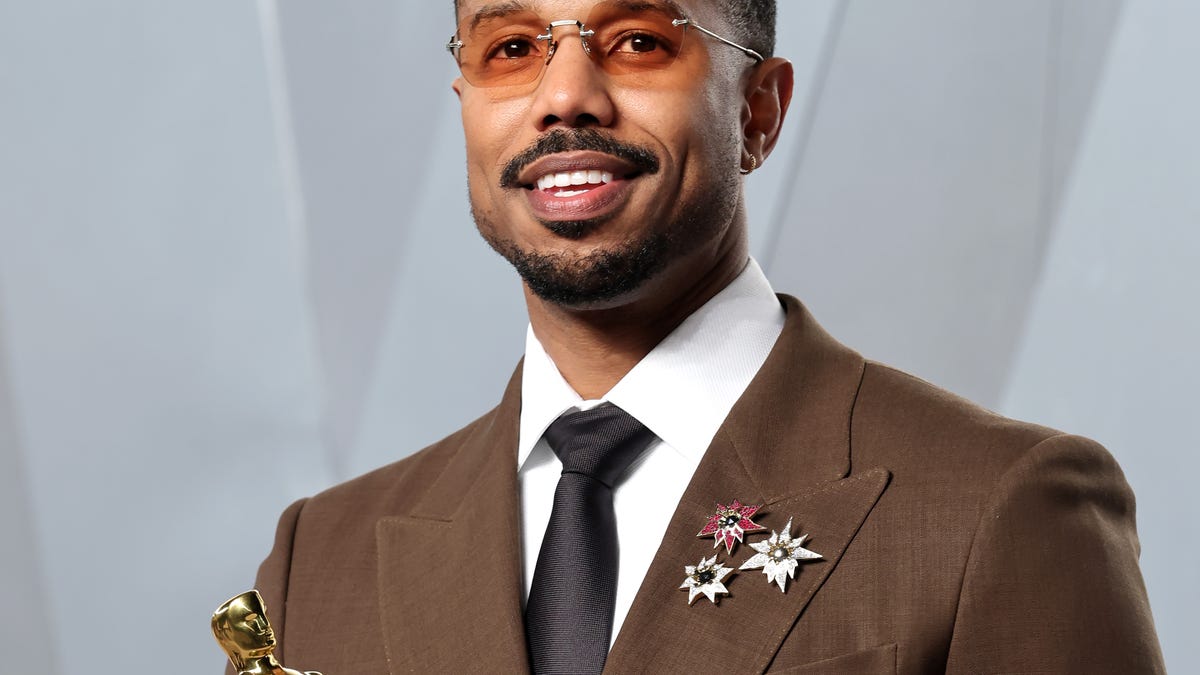
Watch The 3 Decades That Shaped Modern Men’s Fashion
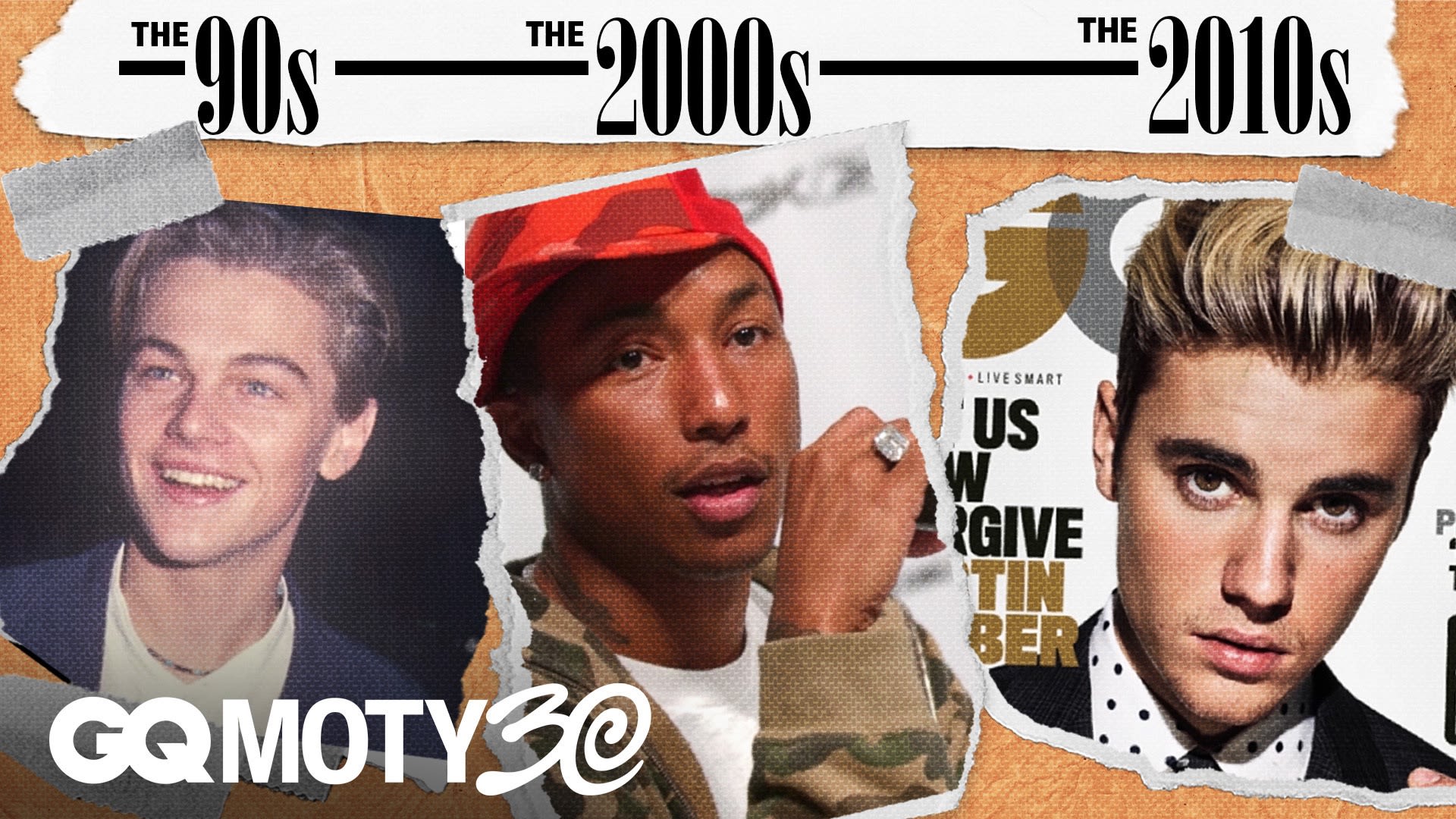
[Narrator] For the 30th anniversary of GQ Men of the Year,
we’re looking back at three decades
of change in men’s fashion.
Today, style is the cultural currency of our time.
From the runway to the street, online and off,
menswear is now a powerful tool
of self-expression, influence, and identity.
So how did we get here?
[lively music]
The 1990s, the birth of modern fashion.
In the early ’90s, menswear was teetering
on the edge of revolution.
[people cheering] [chisel banging]
Minimalism is the order of the day,
but mainstream style was being challenged
by waves of subversion. [audience cheering]
Teenagers worshiped king of grunge Kurt Cobain,
while Wu-Tang Clan was spreading the gospel
of boisterous street wear.
Come on, baby, pump it up.
[skateboard wheels whirring]
[Narrator] Skateboarding was one
of the fastest-growing sports in the country,
dictating how millions of kids dressed.
Meanwhile, fashion advertising grew louder
and more influential.
Calvin Klein’s underwear ads,
featuring a crotch-grabbing Marky Mark,
caused a global sensation.
And Ralph Lauren minted Tyson Beckford
as the world’s first Black supermodel.
Into the fray stepped a young American designer
named Tom Ford whose fall 1995 runway show
for Gucci was the big bang
that marked the dawn of a new era in men’s fashion.
Ford’s opulent velvet tuxedos
and sexy silk shirts had a ’70s look.
But they embodied the rebellious in-your-face attitude
sweeping the culture at that very moment.
The menswear rule book
had officially been thrown out the window.
[upbeat music]
The aughts, the rise of menswear tribes.
[modem dial tone beeping]
As the millennium dawned,
the radical fashion subcultures were now mainstream
with blogging and online forums stoking a new wave of style.
Menswear began splintering into tribes
where you were Carhartt-wearing urban lumberjack,
the supreme obsessed Hypebeast,
a skinny jeans clad indie scenester,
or an Italian tailor and connoisseur.
Whichever you were,
there was a corner of the internet where you could nerd out.
Fashion designers no longer sold clothes,
they sold a lifestyle and everyone wanted in on the action.
Pharrell Williams launched his own label,
Billionaire Boys Club,
and Marc Jacobs invited pop artist Takashi Murakami
to collaborate on a line for Louis Vuitton.
Against this backdrop, upstart men’s fashion designers
like Thom Browne were determined
to further blur the lines between fashion and art.
When Browne launched his shrunken suit in the early aughts,
people scoffed, but by the end of the decade,
Browne’s theatrical runway shows
were the hottest ticket in town
and high water pants ruled the streets.
Fashion had become personal, performative,
and captivating to anyone with a point of view.
In the 2010s, style becomes culture.
Instagram launched in 2010, setting the table for a decade
when fashion fully merged with pop culture.
Street style became just as important
as what was happening on the runways.
Influencers became celebrities
and celebrities became influencers.
And thanks to visionary designers like Alessandro Michele,
menswear started to look lighter and more feminine,
no longer defined by a rigid concept of masculinity.
In fact, in this new anything goes era,
anyone with a big idea and access
to a screen printer could become a fashion designer.
Enter Virgil Abloh, a sneaker-obsessed outsider
who rose to the highest ranks of luxury fashion
by turning the industry on its head.
In Abloh’s world, community was cooler than elitism,
connections as important as classical training
and luxury was about creativity
rather than just craftsmanship.
All of this new energy transformed Paris Fashion Week
from an insiders-only showcase
into a star-studded Coachella of clothing.
A new generation of fans began following fashion
as they would professional sports.
And at the same time, menswear-obsessed hoopers
turned the NBA tunnels into their own runway shows,
which became just as influential as the real thing.
And when Abloh dropped his watershed Off-White
and Nike collaboration, the ensuing global phenomenon proved
that fashion had become core to modern identity.
To stay on top of what’s next, subscribe to GQ.
link