ssstein Shows How Japanese Menswear Shapes Men’s Fashion
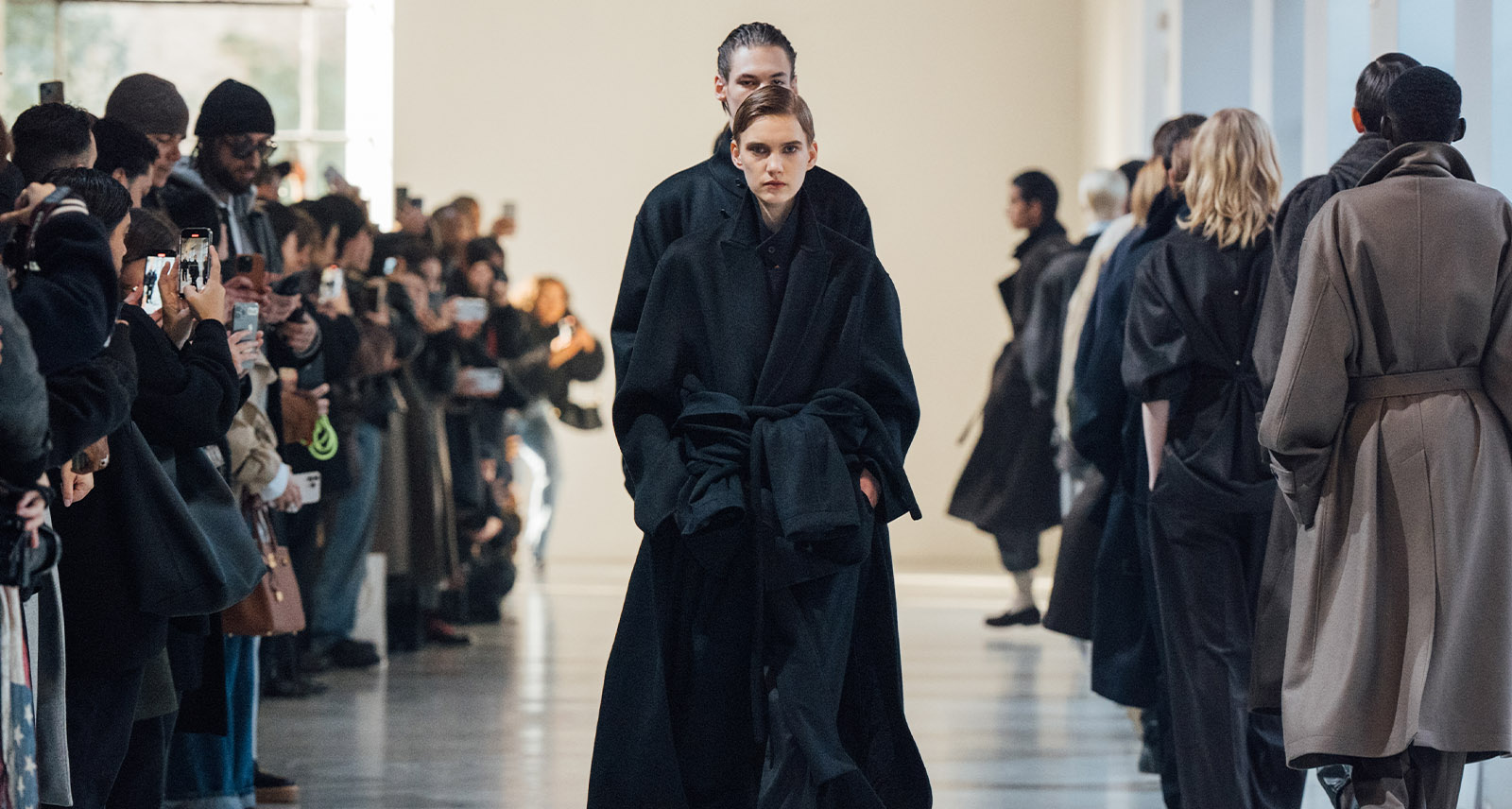
Japanese menswear, and fashion in general, has long been a step ahead — obsessively crafted, subtly styled, and quietly setting the tone for how the rest of the world dresses, at least parts of it. For many North American creatives, wearing a Japanese brand carries a certain cachet. Brands like Visvim, Auralee, and Kapital have become shorthand for a certain kind of fashion fluency: refined, detail-rich, and just under the radar. Now, ssstein, a new entry to the Japanese menswear pantheon, fits squarely into that same lineage.
Founded by Kiichiro Asakawa in 2016, its sensibility is moodier, more minimalist, and almost philosophical. For its efforts, it’s been gaining traction with a global set of boutiques and showing at Paris Fashion Week. It’s the kind of label that doesn’t shout for attention, but rewards those who lean in for a closer look.

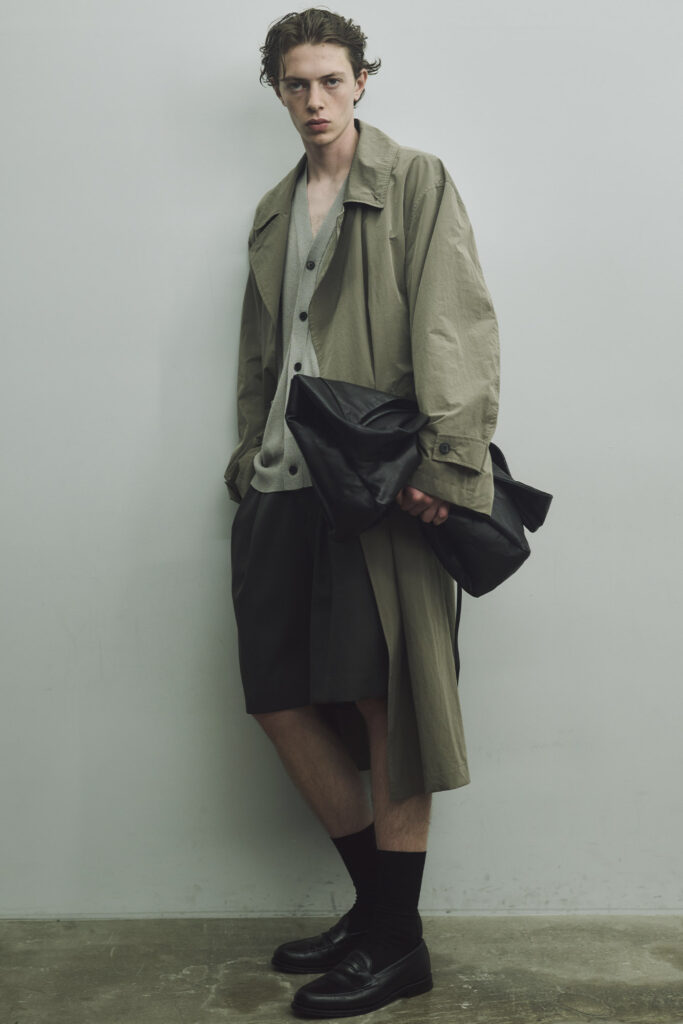
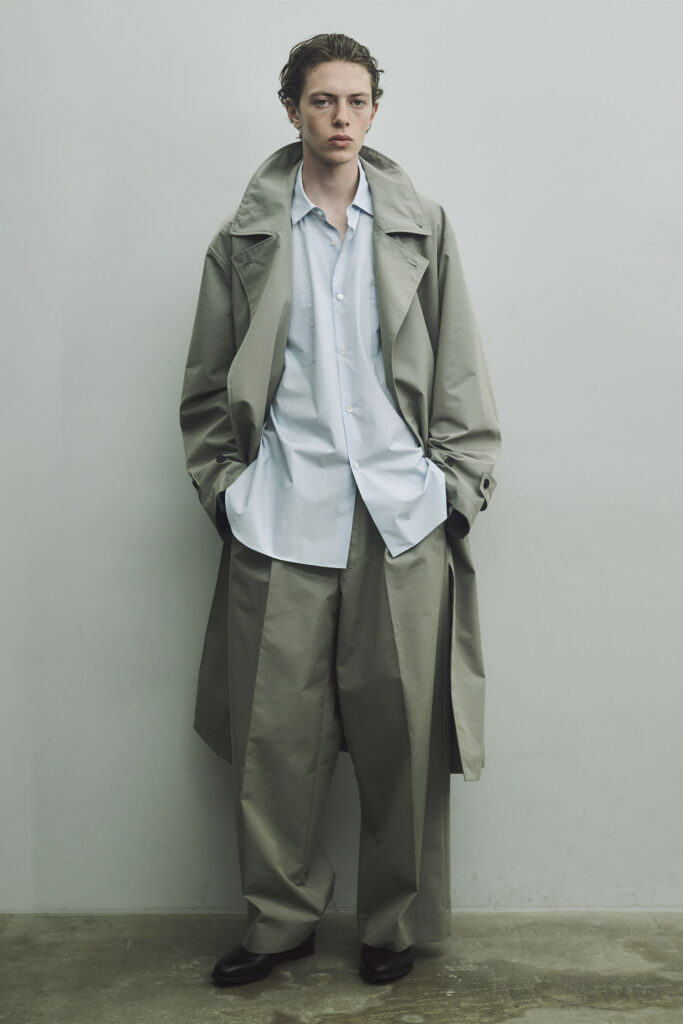
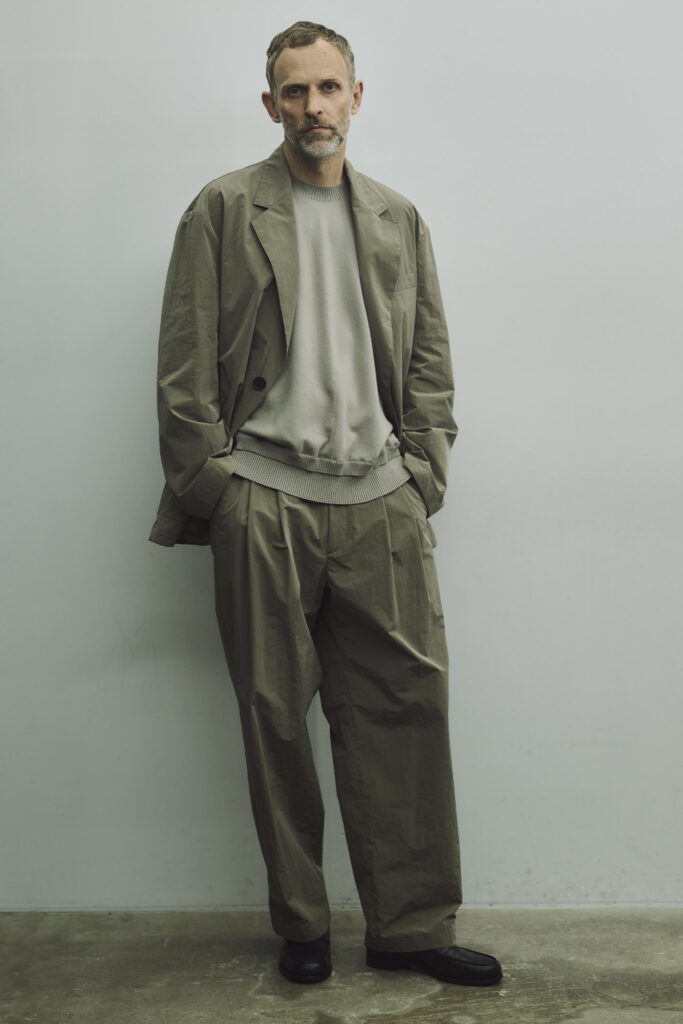
Asakawa didn’t go to fashion school, but did get an education in fashion. He got his start on the shop floor at a famous but now-closed Tokyo department store, working his way up to buying for the store and product design. That hands-on experience taught him not just how to create products, but how to sell them. Before launching ssstein, he opened a shop where he curated and reworked vintage — deconstructing and reconstructing more than 300 pieces, from U.S.-made Levi’s 501s to ’90s sportswear. It was more than resale; it was pattern research, technical practice, and an early study in mood and proportion.
That blend of modernity with nostalgia — of mood and method — is baked into the brand’s DNA. A ’90s silhouette might be rendered in an advanced technical fabric, or a modern shape might be softened with a classic textile. “Quiet but strong” is how Asakawa describes the ideal balance: clothes that are easy to wear yet deeply considered.


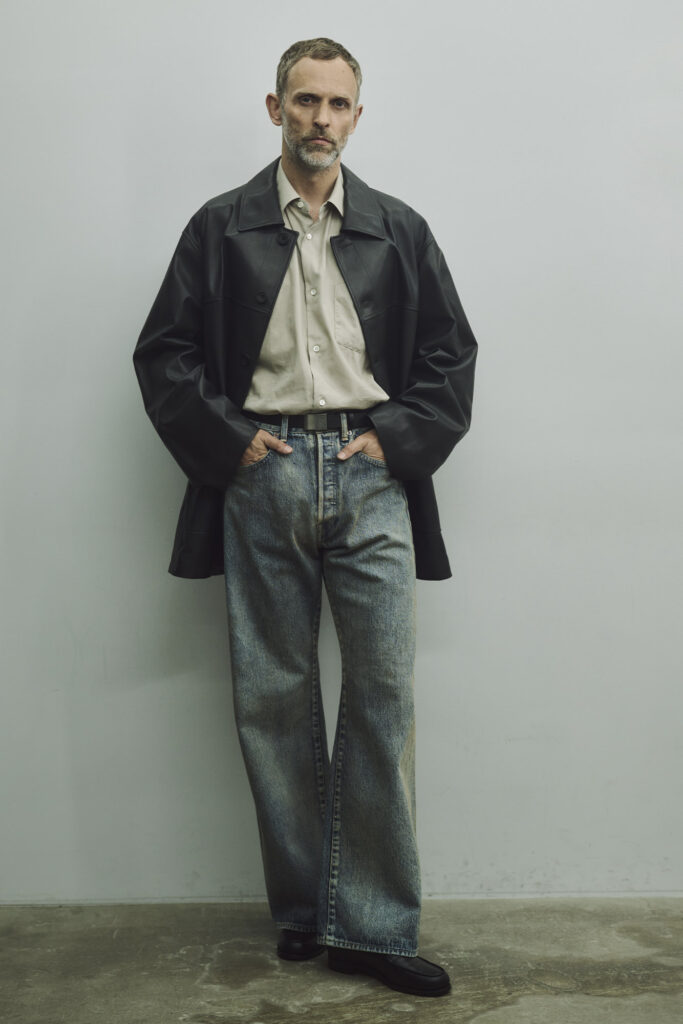
His design process is intuitive and technical in equal measure. He collects inspiration daily — film, vintage clothing, art — and when something sticks, he files it away until it’s ready to become something tangible. Every piece starts with a feeling from Asakawa and ends with precision.
For Michael Fong, buyer at Toronto menswear institution Lost & Found, ssstein’s strength is its range. “Some pieces are very wearable — smart, sensible, and made from high-quality or technical fabrics,” he says. “Others go much deeper.” He points to the brand’s layered shirt — at first glance, just a shirt, but in fact, a carefully engineered, multi-layered garment that look as thought it is two or three shirts inside the other. “It’s easy to overlook on the rack, but once people try it on, they get it.”
Ssstein doesn’t scream for attention. For Fong, its restraint is vital. “They reference everything from Hermès to French military jackets, but the way they combine it is subtle. Whether or not it speaks to the everyday guy here isn’t our main concern — it’s about showing why the brand matters and what it does well.”


In 2025, as menswear moves beyond its logo-heavy phase, brands like ssstein speak to customers drawn to depth, not noise. That’s where ssstein lives: garments that look simple, but on closer inspection reveal meticulous construction and luxurious materials.
After winning the 2025 Fashion Prize of Tokyo, the brand earned the opportunity to show in Paris (just as compatriot Auralee won it in 2020). Asakawa was proud, not just for himself, but for the factories, partners, and collaborators who helped bring ssstein to life. This, he says, all goes toward more chances to quietly refine the collections, step by step, while staying true to the brand’s original vision.
Feature photo by Koji Shimamura, courtesy of ssstein.

link