How Harlem’s Beauty Culture Shapes Fashion And Wedding Rituals Today
Harlem’s influence on Black style has never existed only on runways or magazine covers.
It has always lived in everyday spaces — beauty salons, barbershops, church halls, and living rooms — where preparation itself became a form of expression.
During African American History Month, these spaces matter more than ever. They are reminders that beauty in Harlem has historically been functional, communal, and deeply personal. That legacy continues to shape how fashion and weddings are approached today.
RELATED: 8 Popular Fade Haircuts For Men From Harlem To Hollywood
Beauty As Preparation, Not Performance
Long before beauty became a commercialized industry, Harlem treated it as preparation. Getting ready meant getting ready for life — work, social gatherings, family events, and public presence. Beauty routines were rarely rushed. They were shared, discussed, and passed down.
Hair salons served as informal cultural centers. Women learned not just how to style hair, but how to present themselves in spaces that were not always welcoming. Makeup was chosen for durability and intention, not trend alignment. These habits formed a beauty philosophy rooted in practicality and self-respect.


That mindset still influences how people in Harlem approach major life moments. Beauty is not about transformation; it is about readiness.
Fashion And Weddings As Cultural Continuity
Moving Away From Uniform Bridal Standards
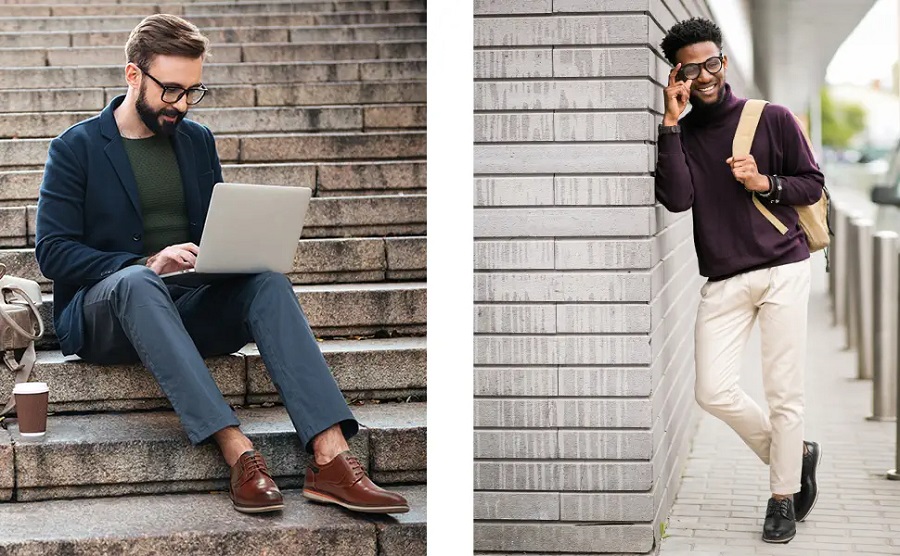
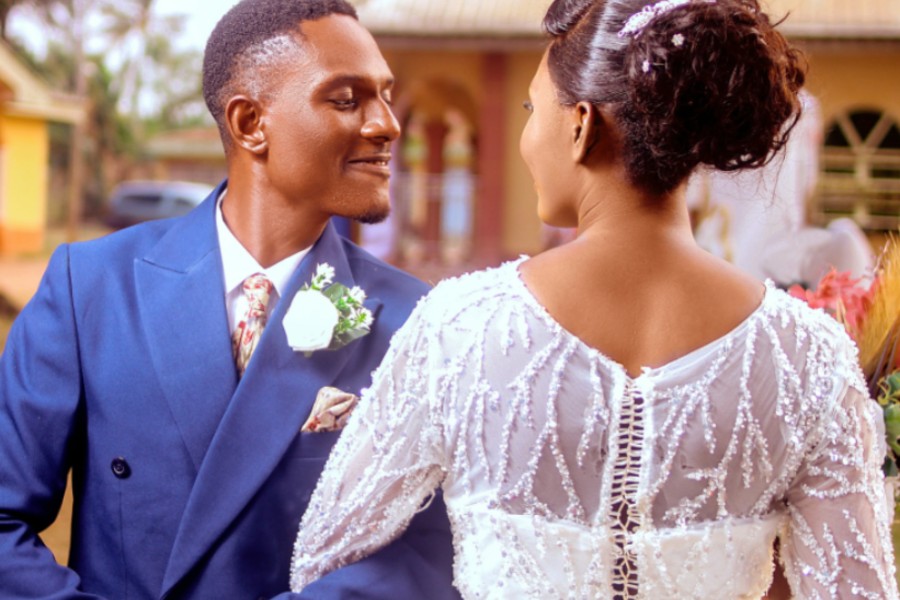
Modern weddings in Harlem increasingly reflect this philosophy. Couples are less interested in fitting into standardized bridal templates and more focused on expressing identity. This shows up in fashion choices — nontraditional gowns, tailored suits, vintage accessories, and hairstyles inspired by family photographs rather than social media trends.
Wedding preparation often includes mothers, aunts, cousins, and longtime stylists. Decisions are discussed, revised, and contextualized. The goal is not perfection but alignment — with history, values, and comfort.
This approach contrasts sharply with mainstream wedding culture, which often prioritizes spectacle over meaning. In Harlem, weddings tend to emphasize presence, memory, and emotional resonance.
The Role Of Beauty Objects In Daily Rituals
Why Packaging And Presentation Matter
One overlooked aspect of modern beauty culture is how products are physically experienced. In Harlem households, beauty items are not hidden away or treated as disposable. They live on dressers, bathroom shelves, and vanities, becoming part of daily routines.
Packaging plays a subtle but important role here. Products that feel sturdy, refillable, or thoughtfully designed are favored over ones that feel temporary. This preference is not about luxury signaling; it is about respect for objects that are used repeatedly and shared within households.
Beauty founders and designers often talk about wanting their products to “belong” in someone’s space rather than stand out aggressively. Conversations around materials, durability, and everyday usability increasingly inform design choices. Readers curious about how these everyday beauty objects come into being sometimes explore background discussions like how beauty packaging is designed for real-life use as part of understanding the full relationship between form and function.
Harlem’s Lasting Influence On Modern Style
What makes Harlem’s beauty culture enduring is restraint. Trends arrive and pass, but the underlying values remain: intention, longevity, and self-definition. Beauty is not loud here. It is lived with.
As Fashion Week coincides with wedding season and African American History Month, Harlem continues to influence how Black beauty and fashion are understood. Not as spectacle, but as preparation. Not as performance, but as continuity.
The result is a style language that honors the past without being confined by it — one that treats beauty as a daily practice shaped by history, community, and care.
Become a Harlem Insider!
From history to today’s headlines—everything Harlem, in your inbox.
By signing up, you’re agreeing to receive communications from Harlem World Magazine and our Privay Policy.
link